Monday, February 24, 2020

Control Review


While I play a lot of indie and retro games, I've been trying to make it a point over the past year or so to keep up with some of the critically acclaimed major releases as well. Of 2019's critical darlings, one in particular that caught my eye was Control. This game was awarded Game of the Year at various media outlets including IGN, Ars Technica, and EGM.
Overview

Control is a third-person action game by Remedy Studios. The player character, Jesse, is on a search for her long lost brother which leads to her finding out about the existence of a secret organization within the US government, the Federal Bureau of Control, which investigates paranormal phenomena. Through a set of initially unclear circumstances, she becomes the leader of the Bureau, gains supernatural powers, and ends up being tasked with thwarting an invasion by an alien force called The Hiss (it's kind of a lot to take in at once). The bulk of Control's gameplay consists of exploring the massive labyrinthine headquarters of the Bureau and clearing out Hiss invaders, which usually take the form of possessed Control agents.
Combat

The key to combat in Control is successfully juggling gunplay and Jesse's psychic abilities. She has a single gun that transforms into different modes that allow it to function as a handgun, shotgun, etc, all of which have infinite ammo but share a single cooldown meter. Similarly, Jesse's powers (telekinesis, a force shield, air dashing, and levitation) all share a second cooldown meter. Managing these two cooldown meters is tough at first, but once you've sufficiently leveled up Jesse's weapons and abilities, combat feels looks and feels pretty slick. The combat is enhanced by very detailed physics modeling that affects the use of the psychic powers (especially telekinesis) and the destructibility of objects in the environment.

Unfortunately, as novel as using a mix of gunplay and superpowers is at first, Control wears the player down by frequently throwing one similar encounter at you after another. For how combat-focused this game is, there isn't much variety in the enemies or the combat situations presented; often the game just spams you with wave after wave of the same few enemies. While there seems to be a lot of options for how to dispatch these enemies, I ultimately found that a pretty simple tactic was the ideal strategy in almost every situation: stick to two of the six weapon forms and then just alternate between shooting and launching debris with telekinesis.

On the bright side regarding combat, I appreciated that the game maintained a consistent level of challenge; many games that involve using superpowers tend to let the player become some overpowered that battles become trivial. Control kept the difficulty of battle pretty high. I think having to stay on my toes helped make the combat feel meaningful despite its repetitiveness. The only downside is that some enemies have attacks that can instantly reduce Jesse to a sliver of health, regardless of her stats and upgrades; this meant for some cheap deaths if I got caught by surprise.

Exploration

Control takes place almost entirely inside the Bureau's headquarters. However, due to various paranormal phenomena that bend the fabric of time and space, this building is essentially a giant Metroid-like maze. Throughout the story, events take place that change and distort the building's layout, making it even more of a labyrinth. Also in Metroid-like fashion, many areas of the building are initially off-limits until you gain the necessary keycard or traversal ability to gain access.

The idea behind Contol's setting is to feature stark contrasts between the mundane (office spaces) and the surreal (paranormal objects and events). However, I found that the mundane areas outnumbered the surreal areas to a point where I did not feel especially motivated to explore; wandering through room after room of cubicles is not terribly interesting. It also doesn't help that rewards for exploration are fairly minimal.

To the game's credit, when you manage to venture out of the office areas and into pockets of otherworldly space, they are pretty cool. These areas often feature bizarre distorted landscapes, great lighting, and a creepy atmosphere; it's just a shame there aren't more of them. There is one area in particular that shifts around you in time with the background music as you wander through (I'm being vague about this in order not to spoil it for others); this segment was the highlight of the game for me.

Another aspect of the game design that impacted exploration, was the game's save system. Throughout the Bureau building are fixed checkpoints called, of course, "Control Points". While the game autosaves the world state regularly, getting killed results in respawning Jesse at the last Control Point she passed. Unfortunately, in some areas of the map, the Control Points can be pretty far apart or in impractical locations, which results in having to retraverse sections of the map over and over if you find yourself stuck on a particularly tough fight. It also doesn't help matters that enemies in areas you've been before will respawn over time, making retraversal after a death extra punishing. While this system was manageable on the game's main story path (with a few glaring exceptions toward the end), I found that it discouraged me from exploring the map and engaging with the side missions as much as I typically would in this kind of game. For example, there's a difficult boss battle in one of the side missions that's located quite far from a Control Point in an area where enemies respawn especially frequently. I would've liked to keep making attempts at this boss but having to trek back to the boss room each time eventually lead me to abandon this questline.

Storytelling/Presentation

The story of Control is initially very cryptic; the Bureau of Control, its mission, and the forces it's facing don't initially make much sense. However, I found that by piecing info together from in-engine cutscenes, collectible documents, and full-motion video files, I was able to make sense of it without much trouble. That being said, my level of interest in the story and world of Control waxed and waned significantly over the course of the game. The theme of government agents covering up paranormal events is one that doesn't always land with me. In the case of Control, the strong voice acting and atmosphere generally helped sell the plot, but at times scenarios it presented as dark and serious came across to me as kind of ridiculous, which caused me to disengage. It doesn't help matters that several of the scenarios in the game are coincidentally similar to a very silly children's show called Odd Squad. When a scene in an M-rated triple-A game immediately evokes images of a TV series designed to teach small children math, I couldn't help but feel pulled out of the story... however, I realize that my mental association between these unrelated things is more of a me-problem rather than a real issue with the game. (Here's a clip of Odd Squad for reference: Odd Squad)

Like many recent third-person games, collecting case files, letters, and other documents is a way that the game expands its lore. When this is done well it can be an engaging way to enrich the game world for players who are interested in it without bloating the game's story for those who just want to follow the main plot. I found that the documents in Control were interesting to collect and read, but the game makes doing so more cumbersome than it should be. For one, the inventory screen doesn't offer a way to sort read and unread documents, so each time I found a new one would then be followed by scrolling through my entire inventory trying to find where this new item ended up. The other issue I had was that each document has seemingly random segments redacted. I realize this is supposed to provide the aesthetic of the document being a "secret file" but it makes no sense in-game; why are documents kept inside the Bureau redacted? The whole point of redaction is that it's something done to a file when it gets released outside of the agency that produced it. I acknowledge this is an extremely small nitpick, but for me, it made me take these documents a little less seriously and made them harder to read.

Much to my surprise, the area where this game's storytelling worked best on me, was the full-motion video. Throughout your journey through the Bureau, you occasionally find video recordings of live actors giving agency announcements and briefings. Matthew Porretta, the actor that plays the Bureau's chief scientist, does a fantastic job of giving an initially grounded performance that slowly becomes unhinged as the game scenario gets more and more surreal. His scenes are incredibly effective at setting the tone of each phase of the game's story and I was always excited to find another videotape while rummaging through the Bureau's offices. If you would have told me years ago that one of my favorite features of a game in 2020 would be full-motion video, I never would have believed you, but here we are.
Conclusion

In all likelihood, this review probably reads as being quite negative. The thing is, Control is actually a very well-made game, and at key moments it really gets things right, making for an evocative experience. The problem is that the highlights are separated by large sections of mediocrity that give the game's various minor issues extra time to rise to the surface. As a result, my sentiment toward this game went back and forth many times throughout it's run time. Ultimately, I appreciate Control's level of quality and ambition but I am surprised that it took so many Game of the Year awards. I think players who are really into TV shows like The X-Files would be enthralled by this game. However, general action game fans will likely find that Control is good but certainly not Game of the Year material.
Score: ⭐⭐⭐
Completion Time: 23 hours (main campaign plus several side quests)

Monday, January 27, 2020

Ori and the Blind Forest Review


Keeping the #PlatforMonth train rolling, I decided to play a game that I've had recommended to me by quite a few people, Ori and the Blind Forest. This Metroidvania from Moon Studios and Microsoft was originally released on Xbox One and PC in 2015. This review is based on the "Definitive Edition" of the game on PC. I live-streamed my entire playthrough of the game on my Twitch channel.

Observations:
  • This game features gorgeous painterly visuals. The aesthetic reminds me of Ubi-Art games like Rayman Origins and Child of Light. In general, I really liked the look of the game but in some cases, it was hard to discern what was an interactive object/platform and what was just part of the background art. A lot of stylized platformers have this issue, however. 
  • For a game that initially looks very cute, it goes to some very dark places thematically, both in terms of atmosphere and storytelling. The mysterious and forlorn tone of the game reminded me of classic European fairytales (i.e. the pre-Disney versions). I found this to be intriguing but could see it being offputting for children or players expecting something lighter from a platformer.
  • Unlike most other games in this genre, Ori features very few fixed checkpoints on the map but instead allows you save almost anywhere at the cost of a small amount of MP. Since it deviates from the norm, I initially found myself having to do a lot retraversal any time I lost a life because I kept forgetting to save. Once I got used to it, however, I came to really appreciate the flexibility of the system. In some of the tougher areas, it was nice to be able to save every few minutes.
  • Similar to a game like Monster Boy (review), Ori's world is comprised of a large main map with a few separated dungeon-like areas. I like this structure since it provides your exploration with defined destinations rather than just having the whole game be comprised of aimless wandering. Also, segregating these dungeons from the rest of the map allows them to introduce unique mechanics that help break up the gameplay. For example, there is one dungeon that focuses on manipulating the effect of gravity; this mechanic wouldn't make sense in the overworld but is a lot of fun within its own dungeon.
  • The gameplay of Ori focuses heavily on movement over combat. In fact, many of the boss encounters playout more like escape sequences rather than battles. Not only does this work well from a thematic standpoint, it also plays to this game's strengths. Ori is a nimble character with a robust move set of aerial maneuvers such as wall jumps and air dashes. After receiving a few powerups, Ori can traverse many environments without ever touching the ground. This approach to platforming reminded me of one of my recent favorites in the genre, Celeste (review).
  • The game features an RPG-like skill tree and experience points. While this gives you some flexibility in how you set up your character, I found this to largely be a superfluous feature. In a game so heavily focused on locomotion, I didn't see much point in putting points into anything other than the movement skill branch of the skill tree.
  • In order to be more atmospheric, most areas of Ori feature pretty minimalistic music. The moody soundscape is occasionally broken up by grand orchestral swells for dramatic effect. While I appreciated what this approach accomplished artistically, my preference tends to lean toward persistent melodic pieces that I can enjoy humming along to or listening to on their own.
If I had played Ori and the Blind Forest when it had come out back in 2015, I think it would have been a mind-blowing experience and an easy 5/5. However, in the Metroidvania-rich gaming landscape of 2020, it's hard not to compare this game to subsequent games in the genre that I liked a little more. All that being said, Ori is still a fantastic game and accomplishes everything it sets off to do masterfully; I highly recommend it to fans of Metroidvania games.

Score: ⭐⭐⭐⭐
Completion Time: 9 hours

Acknowledgment: #PlatforMonth is part of the Chic-Pixel monthly game-along calendar. Check out this page for the full line-up: 2020 Master Game-Along List


Tuesday, January 14, 2020

Sonic Mania Review


Though Sega games are admittedly a blind spot for me (see my Sega Gap post for more info), the Sonic series has been an exception; over the years I've played through all of the Sonic platformers on the Sega Genesis, Sega Dreamcast, Gameboy Advance, and Nintendo DS. So naturally, Sonic Mania, which has been lauded by some as the best 2D Sonic yet, has been on my radar for some time.

Overview:
Sonic Mania is a 2D platformer in the style of the classic Sega Genesis games that was developed as a collaboration between Sega and indie developers. As in classic Sonic, each level of the game is a zone divided into two acts. To unlock the "true ending" of the game players must collect a full set of Chaos Emeralds by finding and completing hidden challenge areas in the zones.

Pros
  • This game uses a custom engine that replicates the look of 16-bit Sonic but incorporates effects and a level a detail beyond the capabilities of the Genesis's famous "Blast Processing".
  • Coming to Mania with the mindset of classic Sonic, I was hoping to hear some bops and this game did not disappoint. Sonic Mania includes some cool remixes of retro Sonic tunes as well as some very catchy original tracks.
  • Similar to the music, some of the level designs are remixes of Genesis Sonic zones while others are brand new. For me, this game struck the right balance of nostalgic retro-based stages and creative original levels.
  • Sonic's full move set from the Genesis games is replicated in Mania and still feels just right despite the new engine. The game does a good job of retaining the classic feel while also introducing new mechanics.
  • The game includes some cool surprise references to Sonic series history. (I won't spoil them)
  • Sonic boss battles typically aren't anything special, they're generally just a matter of avoiding a few enemy attacks and then bouncing off them to score a few hits. This game's bosses are much more dynamic and often work in the environment of the stage in interesting ways.

Cons
  • In its desire to remain true to the retro format, Sonic Mania keeps certain 16-bit design elements that can add frustration to the experience, especially for players not accustomed to old-school pitfalls:
    • Sonic has a limited number of lives - Getting sent back to the beginning of a zone after losing to a second act boss is pretty lame. At least there are infinite continues.
    • Stages have a 10-minute time limit, running out of time kills Sonic instantly. Since the later levels can be quite long and confusingly laid out, running out of time can be a serious issue on one's first playthrough. Thankfully, the time limit can be disabled in the options menu, but I didn't realize this until I was already nearly at the end of the game.
    • Sonic can be killed by getting crushed extremely easily. If any part of his sprite gets pinched at all, it's an instant loss of a life. It's very easy to think you've cleared an obstacle only to find out that you've positioned Sonic in a space where he's slightly squeezed and thus spontaneously turned into a hedgehog pancake.
    • Every once in a while a seemingly innocuous-looking floor tile will have spikes pop out of it just to spite you.
  • The stages in Sonic Mania are unusually labyrinthine for an otherwise straightforward linear 2D platformer. There where many occasions during my stream of this game where I said out loud "Well, hopefully, I'm going the right way." Once I realized that I could disable the time limit, this wasn't that big of a deal but it still seemed like an unusual design choice.
In short, Sonic Mania is an awesome package for fans of classic Sonic that aren't prone to getting tripped up by a few potentially divisive old-school design choices. I would also recommend this game as a strong starting point for retro-curious players who want a good sampler platter of 16-bit blue hedgehog platforming.

Score: ⭐⭐⭐⭐
Completion Time: 5 hours (regular ending)

Wednesday, January 1, 2020

Game of the Year 2019

Serving as my third year as a gaming blogger and second year as a Twitch streamer, 2019 presented the opportunity to play a wide variety of excellent video games. Having finished at least 32 games in 2019 with release dates ranging from 1990 to present, narrowing down my Top 10 has proved to be a difficult task. However, part of the fun of compiling these lists is making difficult decisions and absurd apples-to-oranges comparisons. With that said, I present my ten favorite games that I beat in 2019:

#10: Bomb Chicken
Anybody that's been following me for a long time could probably guess that the odd combination of Bomberman-esque mechanics and themes of animal liberation, makes Bomb Chicken a game that is uniquely qualified to appeal to my particular sensibilities. I had a blast (pun very much intended) with this cute and challenging puzzle platformer. (review)

#9: Devil May Cry 5
I was a little unsure about taking my first step into character action games by jumping right into the fifth entry in the genre's most iconic series. Much to my surprise, I fell into the gameplay fairly naturally and after watching a few YouTube videos about DMC lore, I was able to enjoy the story and characters of Devil May Cry 5 quite a bit. My experience with this game has me keeping an eye out for other character action games I might enjoy and also has me rooting for Dante to be included in Super Smash Bros. (review)

#8: Gris
This artsy puzzle platformer delivered powerful emotional themes coupled with solid gameplay and gorgeous graphics. It's no surprise that this game won the Games for Impact category at The Game Awards. Experiencing this game live on Twitch with my audience was one of my highlights of the year as a streamer. (review)

#7: The Gardens Between
The Gardens Between really impressed me with its clever time-bending puzzle mechanics and creative level designs. When people ask me to recommend a recent puzzle game, this is my go-to pick. (review)

#6: Gears 5
Except for a few drunken multiplayer sessions of the original game when I was in college, I came to Gears 5 with nearly zero experience with Microsoft's long-running shooter series. What I was expecting from this game was Michael Bay-like action, buff people with guns blowing stuff up real good, and I certainly got plenty of that (which is a good thing in a video game). On top of that, there was a surprisingly compelling drama unfolding involving the aforementioned buff individuals! I may have come to the series blind but after playing this game, I consider myself a Gears fan now! (review)

#5: The Messenger
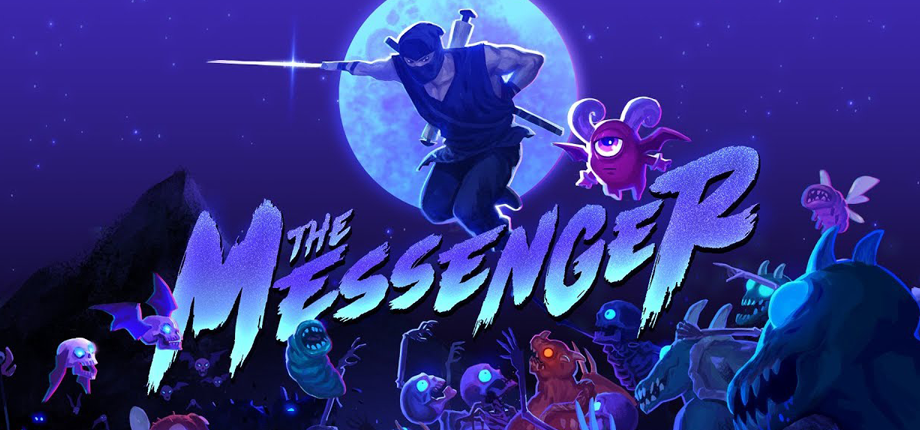
Indie retro-inspired 2D platformers may be a dime a dozen nowadays, but The Messenger stood out with especially tight action and some of the most humorous writing I've seen in a game in quite some time. This game also sported some excellent chiptunes, in fact, I found myself humming The Messenger's item shop theme as I was typing this. (review)

#4: Prey
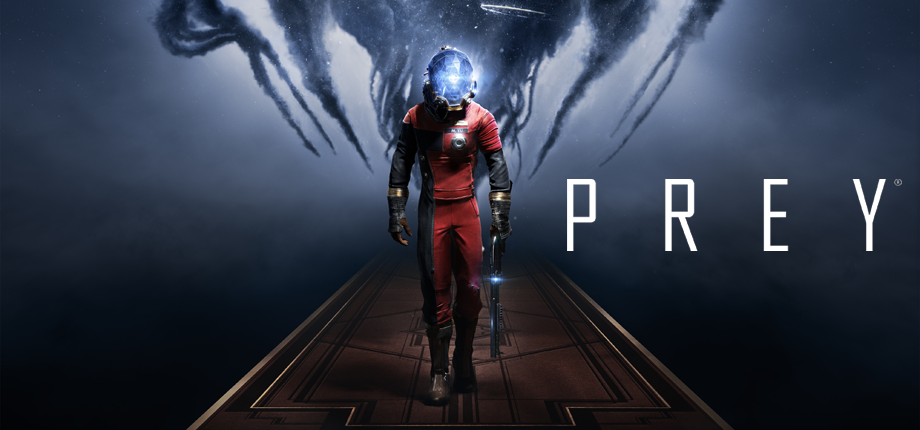
Featuring the intricate level design of Dishonored and the haunting atmosphere of Half-Life, Prey got its hooks into me deep. I lost a lot of sleep while I was playing Prey, not only from late-night game sessions but also just from thinking about the game's themes and the choices they present. It's a real shame this game got overlooked by so many when it was initially released. (review)

#3: Forza Horizon 4
As a guy who's about as far away from being a gearhead as one could get, I never would have guessed that a realistic-looking racing game like Forza Horizon 4 would ever sit so high in one of my game of the year posts. This game's combination of fantastic graphics, varied race types, open-world exploration, and a plethora of difficulty adjustment options made this an exhilarating and accessible auto racing experience, even for a lousy driver like me. If you have Xbox Game Pass, take a quick break from reading this post to go queue up the download for this game now! (review)

#2: Monster Boy
If it wasn't already apparent from the rest of this post or the mini-review roundup I recently released, I have played a lot of 2D platformers this year. Monster Boy stands head and shoulders over the rest with its delightful character animations, clever character transformation mechanic, top-notch map, and wonderful music. (review)

#1: Fire Emblem Three Houses
While I could describe many of the games on this list as "engrossing", none of the others consumed me to a level quite like Fire Emblem Three Houses. It's tactical gameplay, a memorable and engaging cast of characters, and intriguing branching story make Three Houses not only a standout game in the 2019 release calendar but in the Nintendo Switch lineup overall; what Breath of the Wild was for Zelda and Odyssey was to Mario, Three Houses is to Fire Emblem. (review)

Honorable Mentions:
This year's list was so contentious that I wrote several drafts of this post with the top few slots in entirely different, but still completely justifiable, orders. With a lineup this strong, it was only natural that many great games that I played this year just barely missed the cut. Here's a sampling of the best of the rest:
  • Shadow of the Tomb Raider - The past few entries in this series easily took numbered spots in prior years, and in a less packed year, this one would have landed a spot as well. Square Enix's reboot trilogy of Lara Croft's tale is still a gold standard for action-adventure games. (review)
  • Tales of Symphonia - Streaming this bizarre and very length Gamecube-era JRPG was a wild experience. I'm very grateful to my Twitch audience for joining me on the twists and turns of Lloyd and Collette's quest! (review)
  • Ys Memories of Celceta - The Ys series continues to be a source of fun action RPGs with great music, and this entry was no exception. I'm looking forward to exploring more of this series in 2020. (review)
  • Resident Evil 2 Remake - I've never been a fan of Resident Evil or zombie horror, but this remake of the Playstation classic managed to finally win me over. Playing through this game with my wife was a real thrill! (review)
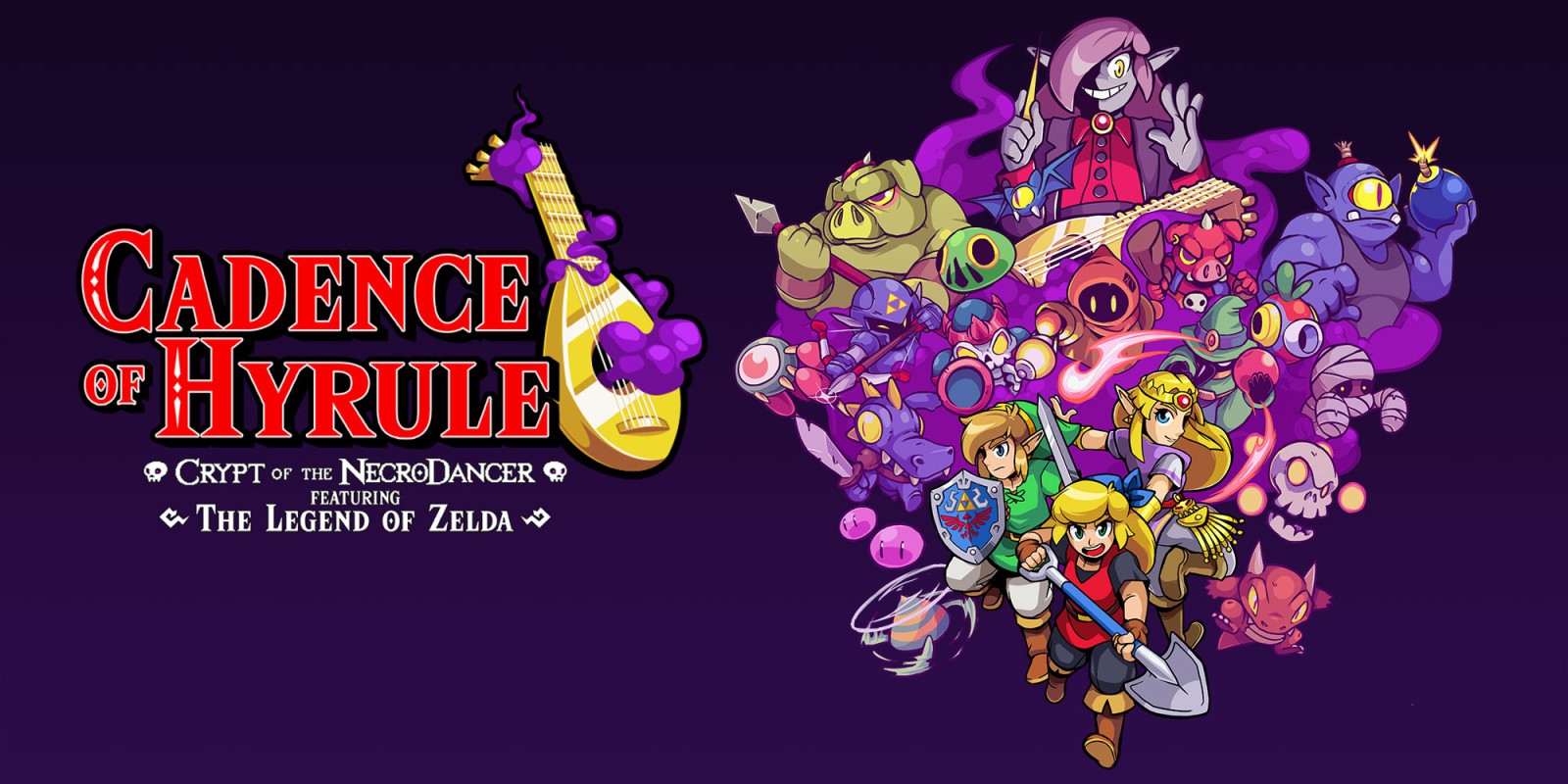
  • Cadence of Hyrule - Cadence's fusion of Zelda and Crypt of the Necrodancer gameplay was the crossover I had no idea I needed. It also blessed us with awesome arrangements of iconic Zelda tunes. This game makes me excited to think about what other Nintendo/indie collaborations we could see in the future. (review)
  • Astral Chain - While not quite as polished as DMC5, Astral Chain delivered an exciting and stylish anime-inspired character action experience that showcased the versatility of the genre. (review)
  • Bloodstained Ritual of the Night - In the crowded field of Metroidvania games, this one from veteran director Koji Igarashi, stood out from the rest with refined gameplay and a unique sense of style and humor. (review)
It's been yet another fantastic year of games and I'm really glad to have been able to share it with all the great gaming folks I've had the pleasure of getting to know via this blog, Twitch, and social media! Here's to a happy, healthy, and productive 2020!

Happy New Year!

Tuesday, December 24, 2019

2019 Mini-Review Roundup

This has been an exceptionally busy year for me, yet I've managed to squeeze in a lot of interesting games. Unfortunately, I only had the time to write reviews for a handful of these. It's time to rectify that in short order before Game of the Year time with a roundup of micro-reviews!


The Messenger
With great pixel art, snappy writing, catchy music, and rock-solid 2D platforming, I thoroughly enjoyed The Messenger. While its third act, which changes the formula from linear platformer to Metroidvania, faltered a bit for me, this game is still one I happily recommend to anyone looking for a retro-style challenge.
Score: ⭐⭐⭐⭐

Hyper Light Drifter
People say that HLD plays like a combination of 2D Zelda and Dark Souls; while I've never played Dark Souls, I think I can see what they mean with this game's weighty combat and tough fights. I found some aspects of HLD to be a bit opaque for my liking, but I can't deny that this game's atmosphere, distinct visual style, and challenging combat make it something special.
Score: ⭐⭐⭐⭐

Starlink Battle For Atlas
As someone who loves flying space ships and aircraft in video games, I was initially enthralled with Starlink. Unfortunately, after playing it for a while, the open-world aspects of the game (e.g. fetch quests and material farming) began to wear on me. That being said, the core mechanics are still well-executed and I would recommend it to anyone who has been craving a good aerial dogfight as much as I have.
Score: ⭐⭐⭐

Shantae Half-Genie Hero
In the world of indie 2D platformers, Shantae is still the queen. While this entry had me revisit the same stages a few too many times for my liking, it was still and fun and charming romp.
Score: ⭐⭐⭐⭐


Cadence of Hyrule
This Zelda-meets-Crypt-of-the-Necrodancer struck just the right balance for me between Zelda and Rogue-like mechanics. Most importantly, it features a fantastic soundtrack; I don't think I'll ever get tired of the OST's dancy remix of Tal Tal Heights!
Score: ⭐⭐⭐⭐

Fire Emblem Three Houses
After spending over 100 hours with this game, I could probably write an entire book on it but I'll spare you as this has been one of the most thoroughly-covered SRPGs on the internet. While some of the schoolyard/classroom segments got a little old after a great many hours of gameplay, the things that this game does for character building and storytelling in the Fire Emblem series are truly remarkable. In addition to all this, it still remains a very satisfying strategy RPG.
Score: ⭐⭐⭐⭐⭐

Ape Out
While I was lukewarm on Hotline Miami, this slightly more forgiving and much jazzier variant on that style of gameplay proved to be a lot of fun. I beat this game live on Twitch in about two hours, so it was a solid pickup on Game Pass.
Score: ⭐⭐⭐⭐

Gears 5
Similar to when I played DMC5 earlier this year, I thought jumping into a series at part 5 would be weird, but I ended up taking to Gears 5 almost immediately. This game not only delivered exciting third-person shooter action but also a surprisingly interesting story. I just wish the story would have offered some sort of resolution rather than ending abruptly to set up the sequel. That being said, this was still another win for Game Pass.
Score: ⭐⭐⭐⭐

Cuphead
I so badly wanted to like Cuphead but just couldn't get into it. The music and animation are really amazing, but a succession of lengthy boss battles is just not something that appeals to me. This game solidified for me that I like boss battles as a climax to general platforming gameplay, but a game that is purely made of these battles will burn me out.
Score: ⭐⭐

Ys Memories of Celceta
Having beaten this game, my journey through Falcom's action RPG series is 50% complete. Adol's adventures continue to be a delight even though the dialogue in this one probably should have spent a little more time on the editor's desk.
Score: ⭐⭐⭐⭐


Prey
This sci-fi/horror FPS from the makers of Dishonored really enraptured me. Prey's haunting atmosphere, mysterious plot, clever character building, and intricate level design had me staying up late every time I sat down at my PC to play this. I got a little hung up on some of the late-game backtracking and platforming, but it was by no means an impediment to loving this game overall. If you enjoy games like Half-Life, Prey is a must-play!
Score: ⭐⭐⭐⭐⭐

The Outer Worlds
I probably should have waited a little longer after completing Prey before diving into Obsidian's sci-fi FPS/RPG so that I could take it in on its own rather than draw immediate comparisons. While some of the fetch-questing and wonky decision trees rubbed me the wrong way at times, the world this game creates is really interesting. It also offers decent shooting as well as the option to talk your way out of combat, which is a nice touch.
Score: ⭐⭐⭐⭐

Bomb Chicken
This cute puzzle platformer was a blast! With sprite work that oozed personality and Bomberman-like mechanics, it was right up my alley. I just wish it would have dispensed with having limited lives; being able to reload at a checkpoint as many times as necessary would have saved me some frustration in the later levels.
Score: ⭐⭐⭐⭐


Gris
Sometimes moody arthouse indie adventure games don't work for me (see my review of Firewatch), but that was not at all the case here. This game was both a beautiful work of art and also a solid puzzle platformer in its own right.
Score: ⭐⭐⭐⭐

BlazBlue Cross Tag Battle
Featuring characters from Persona and RWBY, I was pretty excited to pick up this crossover fighting game from Arc System Works. What I found is that while I enjoyed the basic fighting mechanics of the game and the inclusion of visual novel-style cutscenes, I'm just not into "tag" style fighting (think of Marvel vs Capcom for a popular example). On the bright side, Cross Tag Battle got me interested in the characters and story of the BlazBlue series, which was previously completely foreign to me. I'm looking forward to playing a proper BlazBlue in the future.
Score: ⭐⭐⭐

Astral Chain
After having so much fun with DMC5 earlier this year, I had to try this stylish Nintendo Switch-exclusive character action title. Featuring sidequests, exploration, puzzle-solving, and platforming, this game is far more ambitious than most in its genre. While these additions were implemented with varying degrees of success, the core combat mechanics were fun to execute and slick to look at. This game outstayed its welcome a bit and the conclusion of its story fell a bit flat for me, but I still enjoyed the overall experience and am glad that I picked it up.
Score: ⭐⭐⭐⭐

Bloodstained Ritual of the Night
Koji Igarashi, one of the icons of the "Metroidvania" genre returns with this Castlevania spiritual successor. In a genre that's flooded with entries right now, Iga still shows off that he's still one of the grandmasters. Interesting level design, stylish graphics, tight controls, and a quirky sense of humor make this game stand out from the pack. I wasn't really invested in the game's story or characters, and I found the inclusion of Kickstarter backer rewards to be glaring at times, but those are small quibbles with an otherwise excellent platform adventure game.
Score: ⭐⭐⭐⭐

Acknowledgment: The mini-review roundup format used in this post was inspired by a similar post from one of my favorite gaming blogs, The Gay Gamer. I've been reading his work for years; in fact, his blog was one of the ones that motivated me to start a blog of my own. His thoughtful writing and positive outlook continue to be a source of inspiration for me; be sure to give his stuff a look!

Update Dec-29 2019: I updated this post to include a quick blurb about Astral Chain, which I finished just before the year ended.

Update Dec-31 2019: I somehow forgot to include Bloodstained! I tacked on a quick review after my section about Astral Chain.

Saturday, December 7, 2019

The Gardens Between Review

My experience with Xbox Game Pass this year has been pretty evenly split between AAA games and surprise little indie gems. One such gem was The Gardens Between, which I played through blind on my Twitch stream.

Overview:
The Gardens Between is a puzzle game by The Voxel Agents that tells a story of childhood friendship. Rather than controlling the game's pair of protagonists directly, players advance the characters through each stage by manipulating the flow of time around them. Certain key objects can be locked in place within the timestream to modify the sequence of events and open new paths.

Pros:

  • The game's time manipulation mechanic is used in a variety of clever ways. By shifting time forward and backward, structures can be erected and collapsed, plants can grow and wither, and the characters route through the environment can change completely.
  • In addition to the puzzle aspect of the level design, I appreciated how each level's appearance was an abstract representation of the characters' memories. This helped add depth to the game's otherwise simple story.
  • The general aesthetic of the game reminded me of Life is Strange. I guess there's something about that compromise between realistic and cartoon graphics that just works for coming of age stories.
  • The Gardens Between is just the right length. I felt like it used its mechanics to their full potential without burning me out.

Cons:

  • Some of the late game puzzles get a little fiddly for my taste. On a few occasions, I found that I had figured out how solve the puzzle but minor variations in my execution of the solution (like having two objects in the correct position but slightly misaligned) would seemingly cause the game to indicate that I'd done something wrong.
  • While the way it was presented was interesting, I felt that the game's story itself was anti-climactic. At times it seemed to be building to a major dramatic event that didn't end up happening. 
If you enjoy environmental puzzles, I highly recommend trying out The Gardens Between. While I may have found the story a little lacking, the gameplay and art direction were more than enough to cement this as one the best puzzle games I've played in quite some time.

Score: ⭐⭐⭐⭐
Completion Time: 3 hours, 15 minutes

Acknowledgements:

  • This review was written as part of the Chic Pixel community's #PuzzleGameMonth event. You can find the Chic Pixel blog and its accompanying podcast at Chic-Pixel.com
  • I downloaded this game per the recommendation of the This Nintendo Life podcast. You can find them on Twitter @TNLpodcast.
  • Images in this post courtesy of The Voxel Agents.


Saturday, November 23, 2019

Demons Crest Review


While most gamers are probably familiar with Ghosts n Goblins on the NES (usually in the context of joking about not being able to even clear the first level), the rest of the Makaimura series remains relatively obscure. Thanks to the SNES Online app on Nintendo Switch, I was finally able to try one of the other entries in the Makaimura series that I’ve heard such great things about in retro gaming circles, Demon's Crest.

Background:
Demon's Crest is a 2D platformer that incorporates some adventure game and RPG elements. The game focuses on the winged demon, Firebrand, who was an enemy in Ghosts n Goblins. Now on his own quest to wrest control of hell from his rival, Phalanx,  Firebrand must seek out various magical items and defeat other demon lords to gain their powers in preparation for the final showdown. I played through this game from start to finish live on my Twitch channel.

Pros:
  • The dark and moody setting and themes of Demon's Crest remind me of a Castlevania game but told from the bad guy’s perspective. It certainly stands out from most other SNES games.
  • Firebrand can cling to walls and flap his wings to hover indefinitely from the very beginning of the game. I was expecting these would be powers you would unlock during the adventure, so this took me by surprise.  Have these abilities completely changes how you traverse the levels when compared to pretty much any other retro platformer I’ve played.
  • Firebrand's transformations and power-ups change his capabilities in both combat and traversal. This was a novel mechanic for the early 1990s and continues to be fun now.
  • The game's complex level designs work really nicely with the transformation mechanic. Returning to a level after gaining a new ability can open up new paths, secret areas, bosses, and access to even further character upgrades.
  • The music in this game is awesome (in fact, I'm listening to it as I write this). Composer Toshihiko Horiyama really knew how to make the SNES sound chip sound spooky.
  • If you want to see creepy or sometimes just disgusting-looking creatures, this game is for you. Good thing I wasn't expecting the generals of hell's army to be cute!
  • The game's overworld map is a great showcase of the SNES's Mode-7 effect. Flying from one zone to the next almost feels like a creepy demonic version of Pilot Wings. 
  • For a game of its age, Demon's Crest is fairly generous with checkpoints. That being said, I still made use of save states to shorten the distance between checkpoints since this game is quite difficult.
Cons:
  • Firebrand is a rather slow and stiff character. Often his movements feel slower than a situation calls for. Eventually, I got used to this and learned to plan my movements a bit ahead of time rather than just reacting to enemies and obstacles, but it still didn't seem ideal.
  • The controls and user interface for the various demon powers were counterintuitive at times. I ended up downloading a scan of the game's instruction manual since Switch Online doesn't include instructions for retro games.
  • Many of the bosses can be frustrating bullet sponges unless you have the right powers. It's often unclear whether I was underpowered for a boss or just needed to "get good". As a result, I save scummed my way through a few of the early game bosses until I was able to sufficiently upgrade my character. I was very thankful to some of the folks in my Twitch audience who pointed me toward the hidden items that I missed. Without their help, I likely would have been relying on a guide to get through this game.
  • There are a few areas in levels that I would consider to be annoying but not difficult, especially areas with flying bats or infinitely respawning ghosts. These enemies aren't much of a threat but are there just to pester you as you try to accomplish something else.
  • As a result of the game's designers really pushing the SNES to the limit, there is considerable lag and slowdown in some sequences. The Switch's emulation preserves this aspect of the Demon's Crest experience, I suppose for accuracy's sake.
Playing through Demon's Crest was very interesting from a historical perspective and definitely worth playing for me, despite some of the frustration I experienced. I can recommend this game, but only with a lot of caveats; players used to retro games will likely enjoy it, but it's certainly not a good starter retro game.

Score: ⭐⭐⭐
Completion Time: 9 hours to reach the good, but not best, ending

Advice for enjoying this game: Don't beat your head against the wall against bosses, either explore more for power-ups or check a guide.